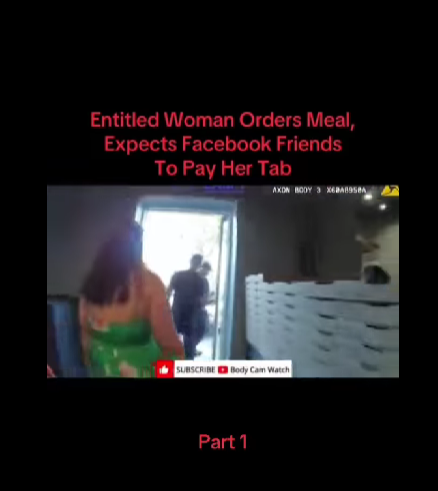
What was supposed to be a casual dinner out quickly spiraled into a viral moment of secondhand embarrassment after a woman reportedly attempted to offload her restaurant bill onto her social media friends—after already ordering a very expensive meal.
According to accounts shared online, the woman had been dining alone at a mid-range restaurant when she began posting updates on Facebook throughout her meal. At first, it seemed harmless—food photos, a few selfies, and casual captions about treating herself.
But things took an unexpected turn when she allegedly made a public post claiming she “deserved a treat” and hinted that someone should “help cover the bill as a kind gesture.”
At that point, she had already ordered multiple items, including starters, a main course, dessert, and several drinks. Staff reportedly noted that the total was significantly higher than a standard solo meal.
Shortly after posting, she followed up with another message tagging friends and acquaintances, suggesting that anyone who “supported her vibe” could contribute to paying her tab. Some users described the post as a “virtual fundraiser for a dinner she hadn’t finished eating yet.”
The reaction online was immediate—and not what she seemed to expect.
Instead of offers to pay, the comments section quickly filled with confusion, jokes, and criticism. Several users pointed out that dining out is a personal expense, not a group obligation, especially when no prior agreement had been made. Others questioned why the responsibility was being shifted after the meal had already been ordered and consumed.
One comment that gained traction read: “So you ordered first, ate halfway, and then asked for sponsors? That’s not how restaurants work.”
Another user added: “This isn’t GoFundMe for gourmet dinner night.”
As the post spread, screenshots began circulating across other platforms, turning the situation into a full-blown viral debate. Some people found humor in it, joking that they should start posting “wishlists” after every restaurant visit. Others took a more serious tone, arguing that it reflected a growing trend of entitlement and blurred boundaries on social media.
Restaurant staff, according to those familiar with the situation, were left in an awkward position. While the woman had not refused to pay outright at the time of reporting, the unusual online activity reportedly caught attention and created tension as the bill remained unsettled.
Eventually, she did pay the full amount herself after it became clear that no contributions were coming in. The post was later deleted, but not before it had already been widely shared and discussed.
The incident has since sparked wider conversation online about social media behavior and financial responsibility. Many users pointed out how platforms like Facebook and Instagram can sometimes create a false sense of audience obligation—where posting something feels like asking for participation, even when it isn’t.
Others focused on etiquette, especially around dining out. “If you can afford to order it, you should be prepared to pay for it,” one user summarized bluntly.
Still, some defended the woman, suggesting the post may have been a joke that went wrong or a misunderstood attempt at humor. But even those voices acknowledged that, taken at face value, the situation came across as poorly judged.
Whether it was a genuine expectation or just a misguided social media moment, one thing is clear: the internet didn’t let it slide quietly.
And as the screenshots continue to circulate, the story has become yet another example of how quickly a simple night out can turn into viral internet history—especially when Facebook gets involved.